Source Metalworking Mini Indexing Plunger for Industrial Equipment
Find 30 metalworking mini indexing plunger options from verified suppliers. Compare specifications like M8x0.75 threads, stainless steel materials, and DIN standards for industrial equipment applications. Explore various body types, surface treatments, and custom sizes to match your specific manufacturing needs effectively.
Key considerations
Products List


Comprehensive Sourcing Guide
Metalworking Mini Indexing Plunger Sourcing Guide
Sourcing metalworking mini indexing plungers requires a disciplined approach to align component specifications with precise mechanical assembly needs. These components serve as critical positioning elements in industrial equipment, ensuring accurate alignment and secure locking during manufacturing processes. Buyers must prioritize suppliers who demonstrate consistent manufacturing capabilities, as the performance of these plungers directly impacts the reliability of the end product. Understanding the specific mechanical requirements, such as thread size and body material, is essential for selecting the right variant for your application.
The procurement landscape for these components is diverse, with offerings ranging from standard DIN-compliant parts to customized solutions tailored to specific operational demands. Observing the market reveals a wide array of materials, including stainless steel and carbon steel, each offering distinct advantages in terms of durability and corrosion resistance. It is crucial to evaluate the surface treatments available, such as zinc plating or black oxide, to ensure compatibility with your operating environment. This guide provides a structured framework for evaluating suppliers and verifying product integrity.
Product Scope and Observed Listing Signals
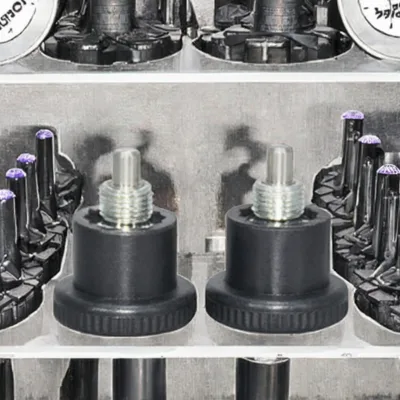
The current market for mini indexing plungers exhibits a broad spectrum of models, including specific designations like PDM822, PDM617, and PDM612, which cater to varying load and positioning requirements. Listings frequently highlight customizable options, allowing buyers to specify thread standards such as M8x0.75 or M10x1, alongside pin diameters of 4mm, 5mm, 6mm, or 8mm. This flexibility is vital for integrating plungers into existing machinery without requiring extensive modification. Buyers should carefully review the listed models to ensure they match the dimensional constraints of their assembly lines.
Observed listing signals indicate that packaging methods vary significantly, with options ranging from simple plastic bags to more robust carton and pallet configurations. This variation often correlates with order volume and shipping logistics, influencing the overall cost and handling requirements. Additionally, the presence of OEM services suggests that many manufacturers are equipped to produce branded or uniquely specified components. Buyers should verify whether the supplier offers neutral packing or custom branding, as this can impact inventory management and brand visibility in the final product.
Technical Specifications to Verify
Verifying the body material is a primary technical requirement, as listings indicate options such as carbon steel, stainless steel, and iron, each with distinct mechanical properties. The plunger pin and spring materials are equally critical, with stainless steel and spring steel being common choices for ensuring longevity and consistent spring force. Buyers must confirm that the selected material grades align with the operational stresses and environmental conditions of the application. Misalignment in material selection can lead to premature failure or inadequate performance in high-cycle industrial environments.
Thread specifications and size ranges, such as M6 through M10 or customized dimensions, must be cross-referenced with the host equipment’s mounting holes. Surface finishing options like zinc plating, plain, or black oxide provide necessary corrosion protection, but the specific finish must be compatible with the operating environment. Additionally, the design of the plunger, whether it includes a rest position or follows a cross-style design, affects its functional behavior. Buyers should request detailed technical drawings to verify these attributes before placing large orders.
Compliance and Safety Documentation
Compliance with international standards is a key factor in ensuring the quality and reliability of indexing plungers. Many suppliers reference ISO certification, which indicates adherence to established quality management systems. Buyers should verify the specific ISO standards applicable to the manufacturing process, as this certification often correlates with consistent product quality and traceability. While some listings mention RoHS compliance, it is essential to confirm whether this applies to the entire assembly or specific components, particularly if the equipment is destined for markets with strict environmental regulations.
Safety documentation should include material test reports and surface treatment specifications to ensure the components meet operational safety standards. Buyers must ensure that the supplier provides clear documentation regarding the origin of materials, such as steel sourced from reputable mills. This transparency helps in assessing the risk of material defects or inconsistencies. Additionally, understanding the manufacturing location, often cited as Shandong, China, can provide insights into the supply chain dynamics and potential logistical considerations for international buyers.
Cost Drivers and Commercial Terms
Cost drivers for mini indexing plungers include material selection, surface treatment complexity, and order volume. Stainless steel variants typically command higher prices than carbon steel due to material costs and processing requirements. Customization, such as non-standard thread pitches or unique body shapes, further increases production costs. Buyers should analyze the price range, which can vary significantly based on these factors, to ensure alignment with their budget constraints. Understanding these variables helps in negotiating favorable terms and avoiding unexpected cost overruns.
Commercial terms, including minimum order quantities (MOQ) and delivery times, play a crucial role in procurement planning. Listings indicate MOQs ranging from small batches to larger volumes, with delivery times often spanning 30-40 days. Buyers should assess their inventory needs against these constraints to avoid stockouts or excessive holding costs. Shipping methods, such as express, sea, or air freight, also impact the total landed cost and lead time. Clear communication of these terms with suppliers is essential for accurate project scheduling and budgeting.
Supplier Qualification and Quality Control
Supplier qualification involves assessing their manufacturing capabilities, quality control processes, and customer service responsiveness. Buyers should prioritize suppliers who offer OEM services and have a proven track record in producing indexing plungers for industrial applications. Requesting samples is a critical step to evaluate the physical quality, dimensional accuracy, and functional performance of the components. This hands-on verification helps identify potential issues before committing to large-scale production runs.
Quality control measures should include rigorous inspection protocols for thread accuracy, surface finish, and material integrity. Buyers should inquire about the supplier’s internal testing procedures and whether they conduct third-party inspections for critical batches. Consistency in production is vital, as variations in spring force or pin diameter can compromise the performance of the final assembly. Establishing a clear quality agreement with the supplier ensures that both parties have aligned expectations regarding defect rates and acceptable tolerances.
Long-Term Procurement Checks
Long-term procurement success depends on establishing a reliable supply chain that can adapt to changing market conditions and operational needs. Buyers should regularly review supplier performance metrics, including on-time delivery rates, product quality consistency, and responsiveness to issues. Building a strong relationship with the supplier can facilitate better communication and more flexible terms during peak demand periods. Continuous evaluation helps in identifying potential risks and opportunities for cost optimization over time.
It is also important to stay informed about industry trends and technological advancements in indexing plunger design. As machinery becomes more complex, the requirements for precision and durability may evolve. Buyers should maintain open lines of communication with suppliers to explore new materials, finishes, or designs that could enhance their products. Proactive engagement with the supply base ensures that the procurement strategy remains aligned with the company’s long-term goals and competitive positioning in the market.
FAQs
What materials are used for the body and plunger?
The body is made of steel or stainless steel, while the plunger uses AISI 303 stainless steel. Some variants also feature plastic knobs and stainless steel pins. These materials ensure durability and corrosion resistance for industrial equipment applications requiring precise indexing.
Which thread specifications are available for these plungers?
Available thread specifications include M8x0.75, M10x1, and sizes ranging from M4 to M12. Customers can also request customized sizes like M6, M7, or M10. The product supports both fine pitch and standard thread requirements to fit various industrial machinery setups.
Can I get these products with ISO certification?
Yes, many products come with ISO certification to ensure quality management standards. Some listings also include RoHS certification for environmental compliance. This certification helps buyers verify that the manufacturing processes meet international safety and quality requirements for industrial components.
What is the typical lead time for delivery?
The standard delivery time ranges from 30 to 40 days after order confirmation. This timeline accounts for production and quality checks before shipping. Buyers should plan their procurement schedules accordingly to ensure timely arrival of the indexing plungers for their equipment assembly.
How are the products packaged for shipping?
Products are typically packed in cartons, often combined with pallets for bulk shipments. Some options include plastic bags inside cartons or neutral packing for specific client needs. This packaging ensures the components remain protected during transit via sea, air, or express shipping methods.
Is customization available for these indexing plungers?
Customization is available for specific requirements such as size, thread type, or surface treatment. Buyers can request non-standard dimensions or specific finishes like zinc plating or black oxide. OEM services are provided to tailor the product to unique industrial equipment specifications.
What surface treatments are offered for the plungers?
Surface treatments include zinc plating, plain finish, and black oxide coating. These options enhance corrosion resistance and aesthetic appeal for different operating environments. The choice of treatment depends on the specific application needs and the material composition of the plunger body.